Type I interferons (Type I IFNs or IFN-I) can both enhance and hinder the efficacy of CAR-T cell therapy, a transformative treatment for hematological cancers. While IFN-I have been shown to support antitumor immunity and bolster CAR-T cell function under specific conditions, emerging evidence also reveals that these cytokines can impair therapeutic outcomes.
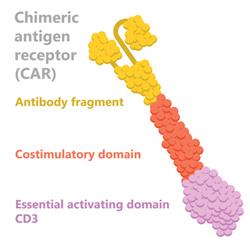
This dual role highlights a complex and nuanced relationship between IFN-I signaling and CAR-T cell activity, challenging traditional views of immune activation and underscoring the need for a deeper understanding of their immunomodulatory effects.
Beneficial Roles of IFN-I in CAR-T Therapy
Enhancement of Antitumor Immune Responses
Type I iFNs have well-established roles in enhancing antitumor immunity that can complement CAR-T cell therapy. Research has demonstrated that type I IFNs inhibit tumor growth directly and indirectly by acting upon tumor and immune cells, with accumulating evidence indicating that enhancing type I IFNs has a synergistic effect on anti-tumor immunity [1]. This dual mechanism of action positions type I IFNs as potentially valuable adjuvants in CAR-T cell therapy.
Boosting Lymphodepletion and Immune Cell Stimulation
Recent studies have identified specific contexts where CAR-induced type I IFNs may provide therapeutic benefits. Beyond their established role in antiviral defense, CAR-induced type I iFNs could enhance lymphodepletion, suppress tumor progression, and facilitate the activation of immune effector cells [2]. This suggests that controlled interferon production by CAR-T cells might enhance the overall therapeutic response by creating a more favorable immune environment for sustained antitumor activity.
Potential for Self-Limiting Therapeutic Designs
The concept of engineered CAR-T cells with controlled interferon production has emerged as a promising strategy. Engineered CAR T-cells with self-limiting persistence could leverage interferon-mediated effects [2] to provide temporal control over CAR-T cell activity, potentially reducing long-term toxicity while maintaining therapeutic efficacy during critical treatment periods.
Direct Anti-Tumor Effects
Beyond their effects on immune cells, type I iFNs can directly target tumor cells through multiple mechanisms including:
Growth inhibition: Direct antiproliferative effects on malignant cells
Image
- Apoptosis induction: Promoting programmed cell death in cancer cells
- Antiangiogenic effects: Reducing tumor vascularization and nutrient supply
- Enhanced antigen presentation: Improving tumor cell recognition by CAR-T cells
These direct effects can complement the cytotoxic activity of CAR-T cells, potentially improving overall therapeutic outcomes.
Inhibitory Mechanisms of IFN-I in CAR-T Therapy
Epigenetic Programming and Chronic Stimulation
Despite their beneficial roles, type I IFNs can also mediate CAR-T cell dysfunction through intrinsic mechanisms. Groundbreaking research has revealed that CAR-T cells can autonomously propagate epigenetically programmed type I interferon signaling through chronic stimulation, which significantly hampers antitumor function [3]. This self-perpetuating cycle represents a novel mechanism of CAR-T cell exhaustion that occurs independently of external interferon sources. The study by Chen et al. (2023) demonstrated that this intrinsic dysfunction pathway operates through the EGR2 transcriptional regulator, which serves as a critical mediator of type I interferon-induced CAR-T cell impairment [3].
Disruption of Immune Synapse Formation
A significant breakthrough in understanding CAR-T cell dysfunction mechanisms came from recent studies showing that type I iFNs impair CAR-T cell function by disrupting immune synapse assembly [4]. This research revealed that non-responder patients exhibited enriched type I interferon signaling pathways, directly correlating with CAR-T cell therapeutic failure in clinical settings [4]. The disruption of stable immunological synapse formation represents a fundamental mechanism by which type I IFNs can compromise the cytotoxic potential of CAR-T cells.
Promotion of Apoptosis and Inhibitory Receptor Expression
Research on oncolytic virus combinations with CAR-T therapy has provided additional insights into type I interferon-mediated restrictions. Studies have shown that type I IFNs expressed following viral infection promote apoptosis, activation, and inhibitory receptor expression in CAR-T cells [5]. This finding was particularly surprising as it contradicted initial hypotheses that oncolytic viruses would synergize with CAR-T cell therapy.
Manufacturing and Transduction Challenges
Impact on Non-Activated CAR-T Cells
Recent investigations have focused on the role of type I IFNs during CAR-T cell manufacturing processes. Research has demonstrated that type I interferon responses during non-activated CAR-T cell manufacturing significantly impair transduction efficiency and overall functionality [6]. This finding has important implications for manufacturing protocols, as it suggests that interferon blockade during production could substantially improve therapeutic outcomes.
CAR-Triggered Interferon Release
An innovative study explored the concept of CAR-triggered release of type I IFNs, revealing that this creates an artificial negative autocrine loop that limits CAR-T cell activities [2]. This research challenged the traditional approach of engineering CAR-T cells to produce immunostimulatory molecules, demonstrating that type I interferon production can be counterproductive to therapeutic efficacy under certain conditions.
Clinical Implications and Therapeutic Strategies
Correlation with Treatment Outcomes
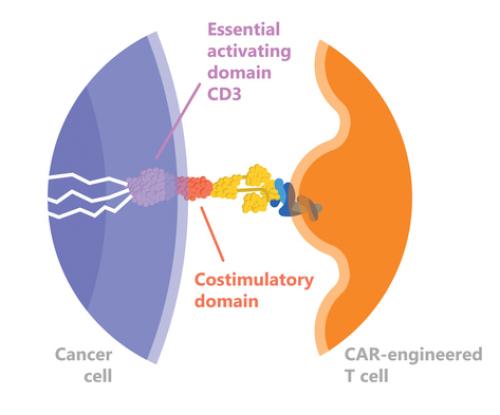
Clinical studies have established correlations between type I interferon signaling and treatment outcomes, though these relationships are complex. While upregulated type I interferon signaling in baseline CAR-T cell products has been associated with treatment failure [4], the context-dependent nature of interferon effects suggests that timing and magnitude of interferon exposure are critical factors in determining therapeutic outcomes.
Strategies to Optimize Interferon Effects
EGR2 Knockout Approaches
One of the most promising strategies to overcome type I interferon-mediated dysfunction involves targeting the EGR2 transcriptional regulator. Research has shown that EGR2 knockout not only blocks the type I interferon-mediated inhibitory program but also independently enhances memory differentiation of CAR-T cells [3]. This dual benefit makes EGR2 editing a particularly attractive approach for improving CAR-T cell therapy outcomes.
IFNAR1 Editing
Recent studies have proposed the use of IFNAR1-edited CAR-T cells as a potential approach to enhance CAR-T cell function by rendering them insensitive to type I interferon signaling [4]. This strategy directly targets the interferon receptor, potentially providing broad protection against various sources of type I interferon-mediated dysfunction while preserving beneficial interferon effects on other immune cells.
Temporal Interferon Modulation
Rather than complete interferon blockade, emerging strategies focus on temporal control of interferon signaling. This approach aims to harness beneficial interferon effects during specific phases of CAR-T cell therapy while preventing chronic interferon-mediated dysfunction.
Combination Therapy Considerations
Oncolytic Virus Combinations
The interaction between oncolytic viruses and CAR-T cells has revealed important considerations for combination therapies. Studies have shown that interferon-insensitive CAR-T cells enable more effective combinatorial therapy with oncolytic viruses [5]. This finding suggests that engineering CAR-T cells to be resistant to type I interferon effects could expand the repertoire of effective combination treatment strategies while preserving the beneficial antitumor effects of virus-induced interferons.
Adjuvant Interferon Therapy
Given the dual nature of type I interferon effects, research is exploring the potential for adjuvant interferon therapy in carefully selected patients. This approach would leverage the direct antitumor effects of interferons while minimizing their inhibitory effects on CAR-T cells through optimized timing and dosing strategies.
Future Directions and Research Implications
The emerging understanding of type I interferon's dual role in CAR-T cell therapy has opened several avenues for future research and therapeutic development. Rather than viewing interferons as purely inhibitory, the field is moving toward a more nuanced approach that seeks to optimize interferon effects through:
Precision Engineering Approaches
- Conditional interferon resistance: Developing CAR-T cells that can be rendered interferon-sensitive or -insensitive based on therapeutic needs
- Temporal control systems: Engineering switches that allow modulation of interferon sensitivity during different phases of treatment
- Selective interferon targeting: Designing CAR-T cells that are resistant to specific interferon subtypes while maintaining sensitivity to others
Personalized Treatment Strategies
The identification of interferon signatures associated with treatment outcomes could lead to more personalized approaches to CAR-T cell therapy. Patients with specific interferon profiles might benefit from:
- Interferon-resistant CAR-T cell products
- Adjuvant interferon therapy
- Combination treatments optimized for their interferon status
Combination Therapy Optimization
Understanding interferon dynamics in combination therapies will enable:
- Better timing of combination treatments
- Selection of appropriate interferon-modulating agents
- Development of synergistic treatment protocols
Conclusion
The relationship between type I IFNs and CAR-T cell therapy represents a paradigm shift in our understanding of immune cell engineering and cancer immunotherapy. Rather than playing a purely inhibitory role, type I IFNs exhibit complex, context-dependent effects that can both enhance and limit CAR-T cell therapeutic potential. While interferons can promote antitumor immunity through direct effects on cancer cells and immune system activation, they can also mediate CAR-T cell dysfunction through epigenetic programming, immune synapse disruption, and exhaustion pathways.
Recent research has provided compelling evidence that optimizing rather than simply blocking type I interferon effects could significantly improve CAR-T cell therapy outcomes. Strategies ranging from temporal interferon modulation to precision engineering approaches offer promising avenues for enhancing the therapeutic potential of CAR-based therapies. As this field continues to evolve, the integration of sophisticated interferon management strategies into CAR-T cell design may become a standard approach for optimizing therapeutic efficacy while minimizing toxicity.
The future of CAR-T cell therapy lies not in the complete elimination of interferon effects, but in their intelligent manipulation to harness beneficial properties while mitigating detrimental ones. This nuanced approach represents the next frontier in precision cancer immunotherapy.
References:
[1] Cellular and Molecular Life Sciences (2022). Type I interferon-mediated tumor immunity and its role in immunotherapy. https://link.springer.com/article/10.1007/s00018-022-04219-z
[2] Cells Journal (2022). CAR Triggered Release of Type-1 Interferon Limits CAR T-Cell Activities by an Artificial Negative Autocrine Loop. https://www.mdpi.com/2073-4409/11/23/3839
[3] Chen, G.M., et al[HL1] . (2023). Type I Interferon Signaling via the EGR2 Transcriptional Regulator Potentiates CAR T Cell-Intrinsic Dysfunction. Cancer Discovery, 13(7), 1636. https://aacrjournals.org/cancerdiscovery/article/13/7/1636/727605/Type-I-Interferon-Signaling-via-the-EGR2
[4] Blood Journal (2024). Type I Interferon Impairs the Function of CAR-T Cells By Disrupting Immune Synapse Assembly. https://ashpublications.org/blood/article/144/Supplement%201/3407/532313/Type-I-Interferon-Impairs-the-Function-of-CAR-T
[5] Patel, S., et al. (2020). Oncolytic virus-derived type I interferon restricts CAR T cell therapy. Nature Communications. https://www.nature.com/articles/s41467-020-17011-z
[6] Blood Journal (2023). Type I Interferon Blockade Enhances Transduction Efficiency and Efficacy of Non-Activated CAR T Cells. https://ashpublications.org/blood/article/142/Supplement%201/6830/505362/Type-I-Interferon-Blockade-Enhances-Transduction
[7] Ninomiya, S., et al. (2021). Tumor interferon signaling and suppressive myeloid cells are associated with CAR T-cell failure in large B-cell lymphoma. Blood, 137(19), 2621. https://ashpublications.org/blood/article/137/19/2621/474963/Tumor-interferon-signaling-and-suppressive-myeloid