A recent joint webinar hosted by Quanterix and PBL Assay Science brought together researchers from academia and industry to share practical experiences using Simoa technology for ultrasensitive biomarker detection. Perspectives from Treventis Corporation and Stockholm University revealed how different research settings tackle common challenges in biomarker strategy.
Industry Perspective: Treventis Corporation

Dr. Marcia Taylor shared her company's work developing translatable biomarkers in a preclinical Alzheimer's disease model. The challenge: detect human Tau markers in young mice (8-24 weeks old) expressing human Tau protein.
The obstacles:
- Using human-specific assay kits on mouse plasma
- Managing inconsistent sample volumes across hundreds of specimens
- Detecting signals in very young animals with potentially minimal marker levels
The solution: When sample volumes varied—common with mouse studies—PBL customized dilution strategies for individual samples instead of applying a one-size-fits-all approach. This flexibility enabled Treventus to extract meaningful data from nearly every sample, successfully detecting phospho-Tau 181, total Tau, NFL, and UCHL1 even in 8-week-old mice.
Academic Perspective: Stockholm University
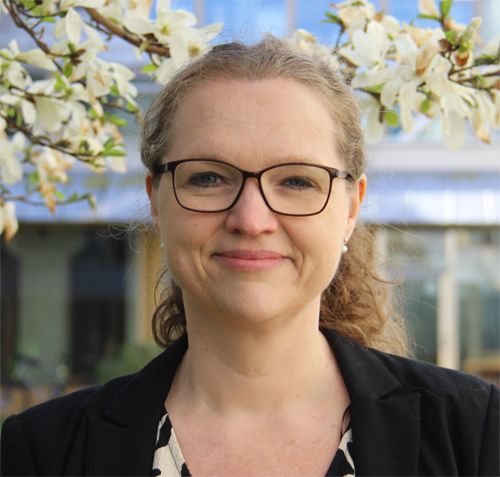
Dr. Henrietta Nielsen discussed her lab's research on Apolipoprotein E (APOE) and Alzheimer's disease risk. Her team studies chimeric mice with humanized livers to understand how liver-derived APOE affects disease progression.
Academic constraints:
- Budget realities: Internal assay development requires extensive validation and continuous staff training—often more expensive than external partnerships
- Cost-Effective: Academic labs often find external partnerships more cost-effective than maintaining internal infrastructure and expertise
- Small sample sizes: Academic studies, especially in rare diseases, often involve limited cohorts
Key insight: Nielsen's proteomics analysis identified numerous potential biomarkers in hepatocytes from 75 donors. The challenge isn't finding candidates—it's validating them efficiently. She emphasized that automated platforms eliminate the variability that plagues manual assays.
Bridging Both Worlds: PBL's Biomarker Services

Dr. Alok Pandey outlined how PBL addresses needs across sectors:
Industry support:
- Validation scaled to program phase (discovery through Phase 3)
- ICH M10-aligned approaches for regulatory requirements
- Strategy development tied to therapeutic endpoints
- Seamless method transfers between sites
Academic support:
- Flexible sample requirements (1 to 1,000+ samples accepted)
- Quick feasibility assessments for cross-reactivity
- No infrastructure investment needed
- Study design consultation
Universal capabilities:
- Custom assay development when standard options don't exist
- Dilution optimization for limited samples
- Internal validation of commercial kits
- Sample collection guidance for sensitive markers
Key Technical Discussions
Working across species: Both presenters dealt with species compatibility. Treventus used human kits on mouse samples; Nielsen wants future panels combining mouse and human markers in chimeric models. PBL's preliminary homology assessments help determine feasibility before testing precious samples.
Maximizing limited volumes: With as little as 2-3 microliters, strategic dilution planning can yield reliable data. PBL uses parallelism studies to identify optimal dilutions when biomarker levels permit.
Right-sized validation: The discussion emphasized context-appropriate rigor—basic feasibility for discovery work, comprehensive validation for clinical programs. Parameters assessed include selectivity, accuracy, precision, and stability.
Why Simoa Technology Matters
The platform addresses critical needs for both sectors:
- Attomolar sensitivity makes blood-based testing viable for markers that previously required CSF
- Automated workflow eliminates operator variability
- Wide dynamic range handles diverse sample types
- Low volume requirements enable multiple tests from single samples
The Bottom Line
Academic and industry researchers face different organizational pressures but share common technical hurdles in biomarker detection. Both benefit from partnerships that provide specialized expertise, validated methodologies, and flexible approaches to sample handling. The webinar demonstrated that successful biomarker programs often depend less on infrastructure ownership and more from flexible, expertise-driven collaborative approaches.